How Much Does Structural Rot Repair Cost in San Diego?
10/28/2026
10/28/2026
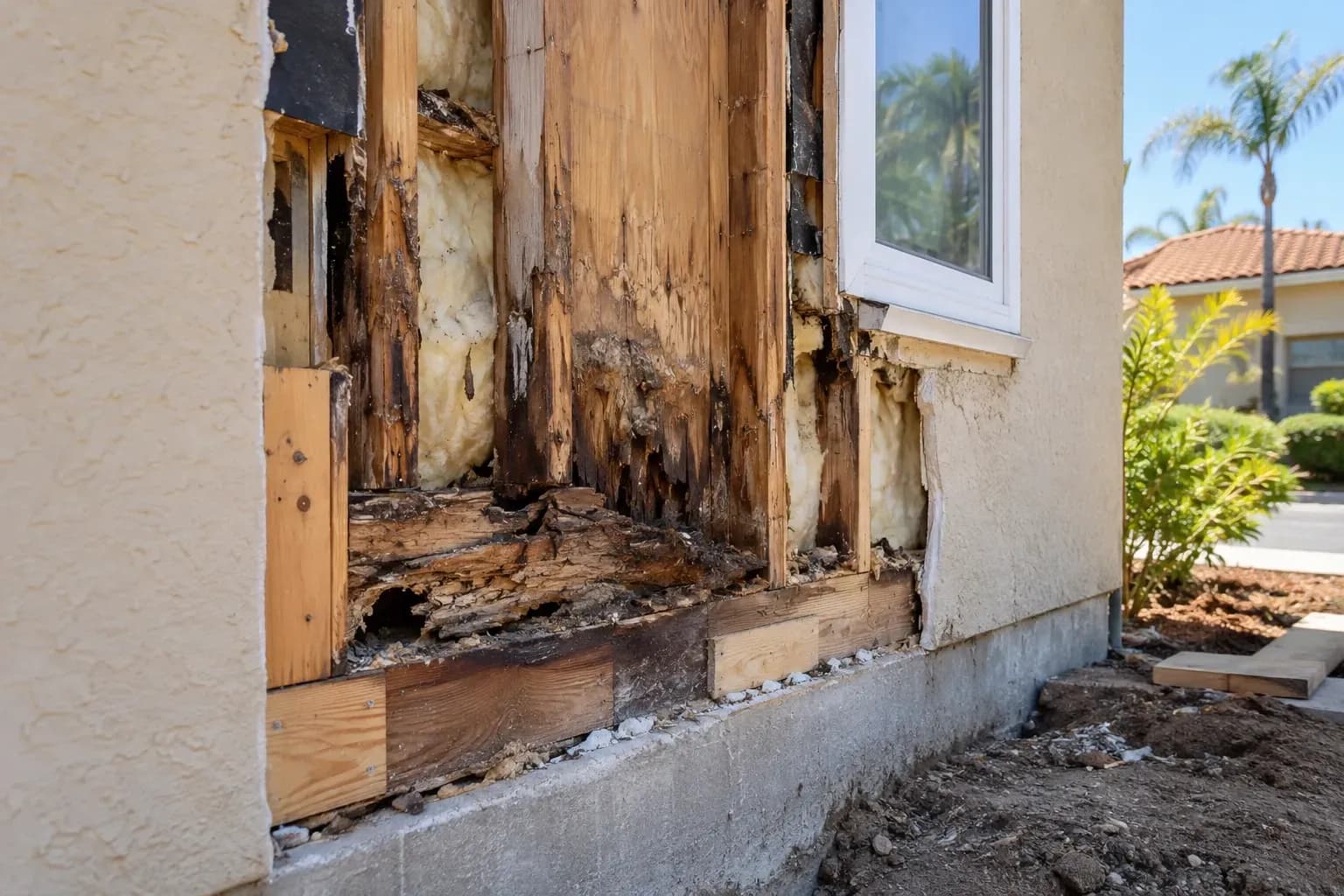
Structural rot repair in San Diego can cost a few hundred dollars for minor damage or several thousand dollars for extensive structural repairs. The final price depends on the amount of deterioration, the affected building component, and the work required to access and replace damaged wood.
A small area of rotted trim requires less work than a damaged floor joist or roof rafter. Homeowners should also budget for moisture correction, demolition, and restoring affected surfaces.
Understanding these factors helps you compare estimates and address damage before it spreads.
Structural rot repair costs vary by project size, materials, and labor. The following figures are general planning estimates, not verified San Diego contractor quotes.
|
Repair type |
General planning estimate |
|---|---|
|
Small, accessible wood rot repair |
$200–$800 |
|
Localized exterior wood replacement |
$300–$1,500 |
|
Wall framing or sill plate repair |
$500–$3,000+ |
|
Floor joist or subfloor repair |
$500–$3,500+ |
|
Roof rafter or sheathing repair |
$500–$3,000+ |
|
Extensive structural wood replacement |
$3,000–$10,000+ |
These ranges are approximate and may overlap. Hidden damage, difficult access, and additional structural work can increase the final price.
For a reliable structural rot repair estimate, arrange an inspection and request a written breakdown of labor, materials, demolition, and finish restoration.
Several factors determine the final cost of repairing structural wood damage. Understanding them helps you compare estimates and plan your budget.
Surface deterioration may require limited replacement, while deep rot can weaken framing and affect nearby components.
If damage extends behind walls, beneath floors, or into roof assemblies, workers may need to remove finishes to reach it. Repairs involving several connected components generally require more labor and materials.
Replacing exterior trim is usually less involved than repairing a load-bearing beam or floor joist. Costs depend on the size and type of replacement lumber and whether specialized connectors or engineered materials are needed.
Structural repairs must restore the component's intended function. A qualified professional should determine the appropriate method when load-bearing framing is affected.
Accessible damage is generally easier to repair than rot hidden behind finished surfaces. A damaged deck board may be straightforward to replace, while a rotted sill plate may require opening a wall.
Crawl spaces, roof cavities, and elevated structures can also increase labor costs because access may require additional equipment or temporary support.
The total estimate may include inspection, demolition, disposal, carpentry, fasteners, moisture correction, and finish restoration.
San Diego costs also vary with contractor availability and project complexity. Ask whether the estimate includes drywall, flooring, painting, and cleanup so you can compare proposals accurately.

Different building components require different repair methods. The following examples explain what can affect costs for common residential projects.
Wall studs support wall assemblies, while sill plates connect framing to the foundation. Rot in these components can affect surrounding materials and structural stability.
Costs depend on the damaged area and whether workers must remove siding, drywall, or insulation. Sill plate damage may also require investigating moisture near the foundation and checking adjacent framing.
Roof rot often develops because of leaking roofs, damaged flashing, or water entering through roof penetrations.
Replacing fascia or sheathing may be relatively straightforward, depending on access. Damaged rafters can require more involved structural work. If a leak caused the rot, the source must also be corrected.
Rot beneath flooring can remain hidden until floors feel soft, sag, or develop unusual movement. Common causes include plumbing leaks and persistent crawl-space moisture.
A localized subfloor repair may be possible if the supporting joists remain sound. Damaged joists or beams can require additional support and more extensive carpentry.
Avoid walking on severely weakened flooring until it has been assessed.
Decks and porches face repeated exposure to moisture. Rot can affect boards, posts, railings, stairs, and structural supports.
Replacing a few boards generally requires less work than repairing deteriorated posts or beams. A proper inspection should also check the connections and surrounding wood.
Structural rot can develop behind finishes before becoming obvious. Watch for these warning signs:
These signs do not always mean structural repairs are necessary. However, recurring moisture or noticeable movement deserves prompt assessment.
If damage involves mold, moisture control and remediation may also be needed.

Repairing damaged wood can cost less than replacing an entire component when the remaining material is sound. Replacement may be necessary when deterioration is extensive or the component can no longer provide adequate support.
Before choosing an approach, consider:
Avoid covering damaged wood without addressing the underlying problem. When load-bearing components are involved, a qualified contractor or structural engineer should determine the appropriate repair.
Preventing moisture intrusion helps reduce the risk of recurring wood rot. Regular maintenance can identify problems before they spread.
Water damage may also affect flooring and other finished surfaces. For larger projects, coordinating structural repairs with other restoration work can help address the full extent of the damage.
Structural rot repair costs in San Diego depend on the affected component, the extent of deterioration, and the work required to access and replace damaged wood. Minor repairs may be relatively affordable, while damaged floor joists, roof supports, or load-bearing framing can require a larger investment.
An inspection and detailed written estimate can help you understand the full scope. Addressing moisture problems is equally important to prevent further deterioration.
If your home has signs of wood rot or water damage, you can contact MBK Remodel to discuss your property's condition and potential restoration needs.
Does Homeowners Insurance Cover Structural Rot Repair?
Coverage depends on your policy and the cause of the damage. Some policies cover certain sudden and accidental water damage, while long-term leaks or neglected maintenance may be excluded. Review your policy and contact your insurer before assuming repairs are covered.
How Much Does It Cost to Replace Rotted Wood Framing?
A small localized repair may cost hundreds of dollars, while extensive framing replacement can cost several thousand dollars or more. The price depends on access, materials, structural support, and the amount of damaged wood.
Can Structural Rot Be Repaired Without Replacing the Entire Structure?
Yes. Limited damage may allow a professional to replace or reinforce only the affected section. Extensive deterioration may require broader replacement, depending on the component's condition and structural role.
How Long Does Structural Rot Repair Take?
Minor repairs may take a day or less, while extensive projects can take several days or longer. Demolition, temporary support, material availability, inspections, and finish restoration all affect the schedule.
