What to Do When You Find Mold Behind Your Bathroom Drywall
6/28/2026
6/28/2026
Finding mold in your bathroom can feel incredibly stressful. It is easy to assume the worst when you spot dark patches creeping up your shower walls. However, before you panic and start tearing out tiles, it helps to take a deep breath. Bathroom mold is a common issue, and knowing exactly how to handle it will save your home and your health.
It is important to know the difference between everyday shower mildew and destructive structural mold. Mildew often grows on the surface of shower grout or caulking due to daily humidity. Luckily, this surface issue is easy to wipe away with standard bathroom cleaners.
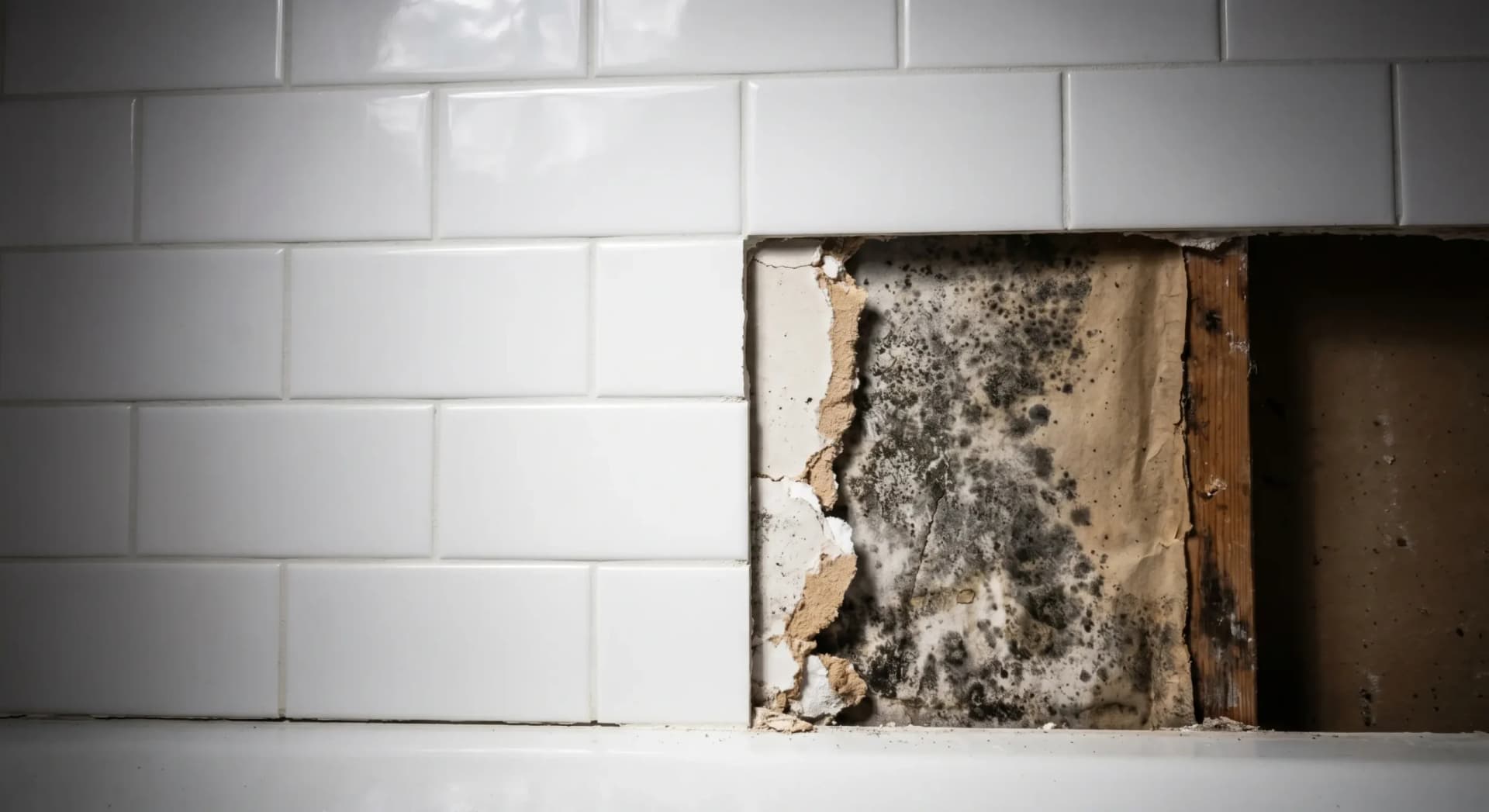
On the other hand, mold that grows behind your drywall is a much bigger problem. This structural mold feeds on the paper backing of your drywall and the wood studs inside your walls. If the mold is behind the drywall, simply scrubbing the surface will not solve the issue.
How do you know if the mold has breached your walls? Look out for these four clear indicators:
If you suspect mold is growing behind your drywall, you must act quickly. Taking the right immediate steps will protect your home from further damage and keep your family safe.
First and foremost, mold is always a moisture problem. It cannot grow without a constant supply of water. Therefore, your immediate priority is to stop the leak. If you have an active plumbing leak behind the wall, turn off the water supply to that specific bathroom immediately.
When people see mold, their first instinct is often to grab the bleach. However, using bleach on porous materials like drywall is a massive mistake. Bleach only removes the color from the mold on the surface. It does absolutely nothing to kill the deep roots growing inside the drywall. In fact, the water content in bleach can actually feed the mold roots and make the problem worse over time.
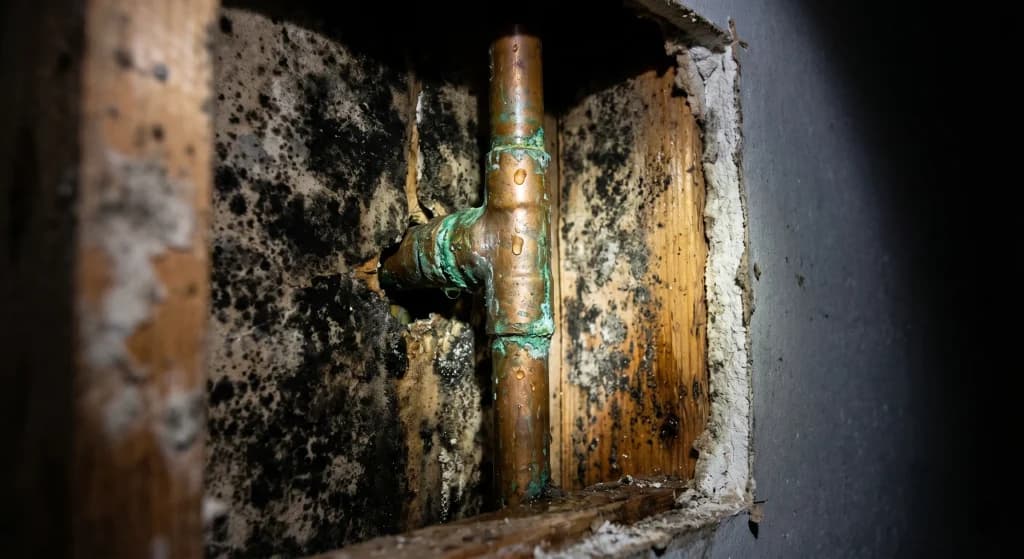
Knowing when to call in the experts is crucial for your safety. The Environmental Protection Agency (EPA) has a very clear guideline for this. If the moldy area is larger than about 10 square feet (roughly a 3-foot by 3-foot patch), you should consult a professional. Handling a contamination larger than this requires specialized containment barriers and heavy-duty protective gear.
Once the immediate danger is handled, you face a big decision. Should you just repair the damaged patch, or is it time for a full bathroom remodel? To make the best choice, you need to shift your focus from simply “cleaning” the mold to actually “fixing the house.”
Hiring a mold remediation crew might seem like the quickest fix. They will come in, remove the moldy drywall, and spray chemicals to kill the remaining spores. However, this is often just a temporary band-aid. Paying for surface remediation does absolutely nothing to fix the broken plumbing pipe or the cracked shower pan that caused the problem in the first place. If you do not fix the root cause, the mold will inevitably return.
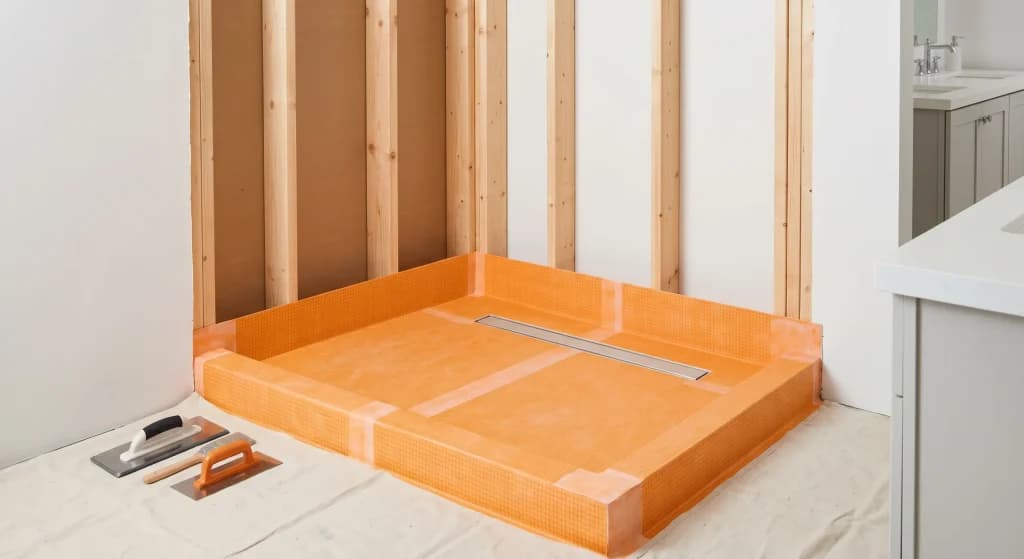
Ultimately, structural bathroom mold is usually the result of a failed waterproofing system. If the waterproof membrane behind your shower tile has deteriorated, water will constantly seep into your walls. Unfortunately, no amount of fresh caulking or surface sealing will save a failed membrane. To protect your home permanently, a full tear-out is required to rebuild and waterproof the shower structure from the studs outward.
At MBK Remodel, we do not just treat the symptoms; we cure the underlying disease. When we encounter mold behind your bathroom drywall, our mission is to ensure it never comes back.
First, we protect your family by setting up strict containment zones with negative air pressure, which prevents hazardous mold spores from spreading into the rest of your home. Next, we perform a safe, surgical demolition to remove all compromised drywall, rotted wall studs, and damaged tiles. Once the structural framing is completely clean and dry, our experts permanently fix the underlying plumbing leak or drainage issue.
Finally, we rebuild your shower using modern, industry-leading waterproofing technology, such as the Schluter-Kerdi system. This advanced, completely leak-proof membrane guarantees that water will never reach your drywall again. The result is a beautiful, luxury bathroom that is structurally sound and permanently mold-free.
Are you ready to solve your bathroom moisture problem for good? Contact MBK Remodel today to schedule a professional consultation.
Once you invest in a brand-new, perfectly waterproofed bathroom, a little daily maintenance goes a long way. Here is how you can keep your new space pristine and mold-free for decades:
How much does it cost to remove mold behind bathroom walls?
The final price depends heavily on the extent of the water damage. Removing hidden mold that has penetrated behind bathroom drywall typically runs between $1,500 and $3,500. However, if the water damage is extensive and requires a full bathroom remediation with structural repairs, the cost can range from $2,500 to $5,000 or more.
Can I just paint over mold on drywall?
Absolutely not. Using mold-resistant paint or standard primer over an active mold colony does not kill it. The roots will continue to feed on the paper backing of the drywall, and the mold will quickly eat its way right back through your fresh layer of paint. The only permanent solution is to cut out and replace the infested drywall entirely.
Is it safe to stay in the house with mold behind the drywall?
If the mold is completely trapped inside the wall cavity and you do not smell it or have respiratory symptoms, you can usually stay in the home safely while you plan the repair. However, the moment that wall is opened up for demolition, millions of spores become airborne. During active construction, you must either leave the house or ensure your contractor uses professional, airtight zip-wall containment barriers to protect your family’s indoor air quality.