Open-Concept Kitchen Remodels in San Diego: Pros, Cons & Design Tips
1/21/2026
1/21/2026
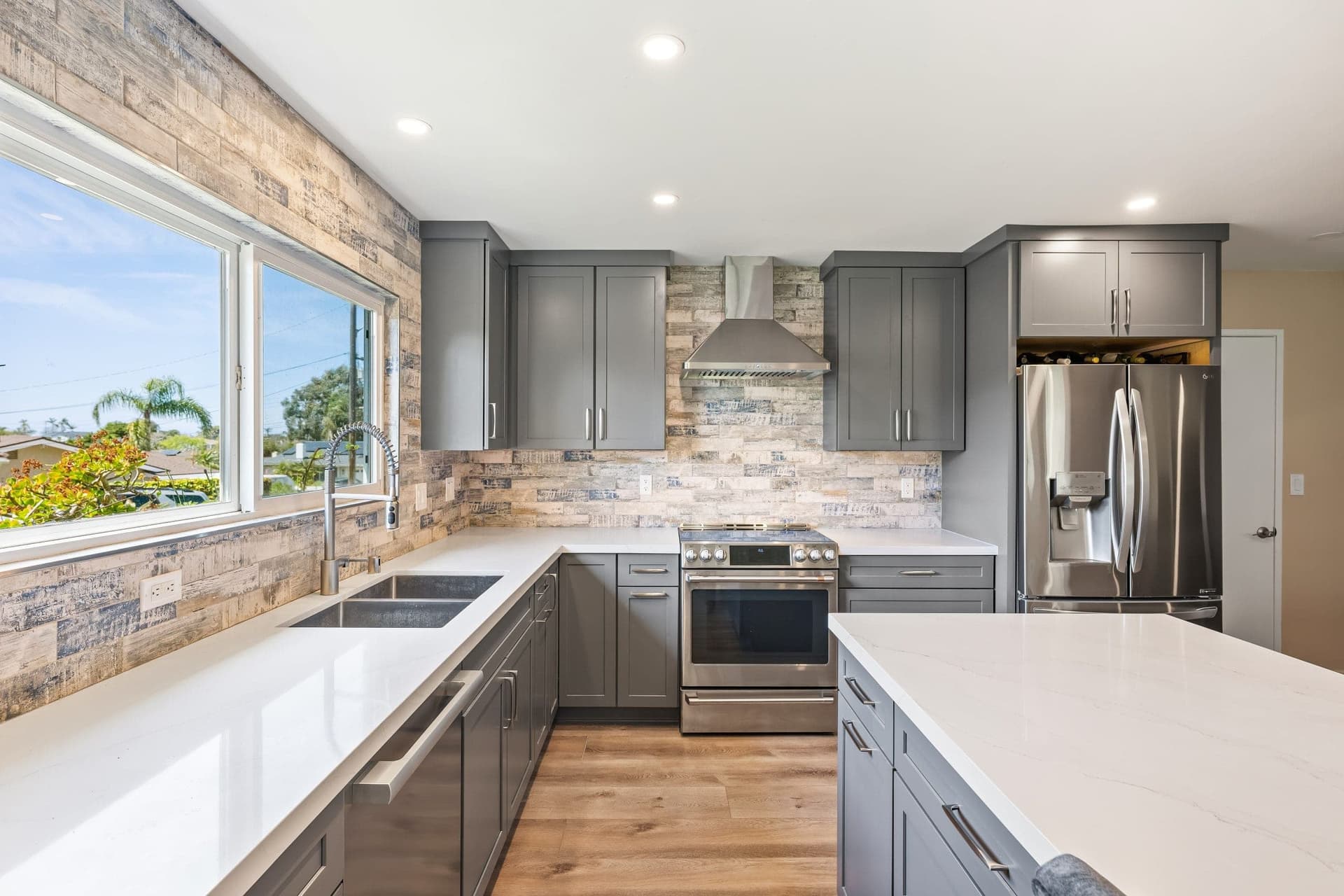
An open-concept kitchen has become one of the most popular remodeling choices for homeowners in San Diego. By removing walls and opening up the space, the kitchen can feel brighter, larger, and more connected to the rest of the home. This layout works especially well for families who enjoy cooking, entertaining, and spending time together in one shared space.
However, like any design choice, it comes with both benefits and challenges. Understanding the pros, cons, and smart design tips can help you decide if an open-concept kitchen remodel is the right fit for your home and lifestyle.
Open-concept kitchens make a home feel more open, bright, and connected. By removing walls, natural light can flow more freely, which helps the space feel larger and more welcoming. This layout is ideal for families and those who enjoy entertaining because it allows the kitchen, dining, and living areas to function as one shared space.
Another benefit is better interaction. You can cook while still being part of conversations or keeping an eye on children. Open layouts also support modern design trends, which can improve the overall appeal and potential resale value of a home in San Diego’s competitive market.
While open kitchens look beautiful, they also come with a few challenges. Noise from appliances and cooking can spread throughout the home, which may be distracting in open living areas. Cooking smells can also travel more easily if ventilation is not planned properly.
Clutter is more visible in an open layout, so keeping the kitchen tidy becomes more important. In some homes, removing walls may require structural changes, which can increase renovation costs and require permits and inspections.
A successful open-concept kitchen is not just about removing walls. It also needs smart planning so the space feels organized, comfortable, and easy to use.
Even in an open layout, each area should have its own purpose. You can create visual zones using kitchen islands, flooring changes, ceiling details, or furniture placement. This helps separate cooking, dining, and living areas while keeping the space open and connected.
A well-designed island can become the heart of the kitchen. It can provide extra counter space, storage, seating, and even house appliances. Islands also help define the kitchen zone and create a natural gathering spot for family and guests.
Lighting plays a key role in open spaces. Task lighting is needed over work areas like the island and countertops. Ambient lighting keeps the overall space bright, while accent lighting highlights design features. Using all three types creates a balanced and comfortable environment.
Good ventilation is essential in an open-concept kitchen. A powerful range hood or a well-planned ventilation system helps control smoke, heat, and odors so they do not spread into the living areas. This keeps the entire space feeling fresh and comfortable.
In an open layout, surfaces are always on display. Choosing materials that are easy to clean and do not easily show stains or fingerprints can make daily life easier. Durable countertops, low-maintenance backsplashes, and flooring that hides wear help keep the kitchen looking neat with less effort.

Open-concept remodels often cost more than standard kitchen updates because they involve more than just new finishes. Structural changes, system upgrades, and coordination between trades can affect both budget and schedule.
Removing walls is one of the biggest cost factors. If a wall is load-bearing, it will need beams or other structural support. This requires engineering, permits, and skilled labor, which can extend timelines and increase costs.
Opening up the space may require relocating vents, ducts, outlets, lighting, or plumbing lines. Updating these systems ensures safety and comfort but adds labour and material expenses that should be planned for early.
Some upgrades deliver strong visual and functional impact without major expense. Lighting, paint, flooring, and cabinet updates can transform the space. Larger investments like structural changes, custom islands, and high-end appliances should be prioritized only if they align with your budget and long-term goals.
An open-concept kitchen can completely transform how your home looks and functions, especially in a city like San Diego where light, space, and indoor–outdoor living are highly valued. While this layout offers a bright, modern, and social environment, it also comes with considerations such as noise, ventilation, and higher remodeling costs.
By understanding the pros, cons, and design strategies in advance, you can plan a space that feels open yet organized, stylish yet practical. With the right layout, materials, and professional planning, an open-concept kitchen can become the true heart of your home.
Are open-concept kitchens a good choice for San Diego homes?
Yes. Open layouts work well with San Diego’s natural light, mild climate, and lifestyle that often blends indoor and outdoor living.
Do open-concept kitchens increase home value?
In many cases, yes. Buyers often prefer open, modern layouts, which can improve resale appeal when designed and built correctly.
Is removing a wall always necessary for an open kitchen?
Not always. Some layouts can feel open by widening doorways, adding large openings, or using design elements like islands and lighting to improve flow.
How do you control noise and cooking smells in an open kitchen?
Proper ventilation, quality range hoods, and thoughtful layout planning help manage noise and odors so they do not spread through the living areas.