Design Delights: Crafting Your Dream Kitchen through Remodeling
8/23/2023
8/23/2023
A dream kitchen does not begin with cabinets or countertops. It begins with a vision. Remodeling your kitchen is more than upgrading surfaces. It is about creating a space that reflects your personality, supports your daily routines, and adds lasting value to your home.
From layout decisions to material choices, every design detail plays a role in shaping a kitchen that feels both beautiful and practical. When approached thoughtfully, kitchen remodeling becomes an exciting journey rather than a stressful project.
Every successful kitchen remodel starts with clarity. Before choosing finishes or fixtures, define the style you want to achieve. Whether your preference leans toward modern minimalism, timeless traditional design, or a warm transitional look, identifying your aesthetic direction keeps decisions consistent throughout the project.
Gather inspiration from showrooms, design magazines, and completed remodels. Create a digital or physical inspiration board to highlight colors, textures, and layouts you are drawn to. At the same time, ask practical questions.
Answering these questions ensures your design vision aligns with real lifestyle needs rather than trends alone.
A beautiful kitchen must also function efficiently. Layout planning determines how comfortably you move through the space while cooking, cleaning, and entertaining.
The traditional work triangle concept connects the sink, stove, and refrigerator to create an efficient flow. Even in modern open layouts, maintaining logical movement between these zones remains important.
Consider how traffic flows through the room. Islands can add workspace and seating, but they should not block movement. Galley kitchens maximize efficiency in narrow spaces, while L-shaped and U-shaped layouts provide flexibility for larger areas.
Smart storage solutions such as deep drawers, pull-out pantry systems, and corner organizers enhance workflow and reduce clutter. Thoughtful planning at this stage prevents future frustration.
Selecting the right materials balances aesthetics with durability. Countertops, cabinetry, flooring, and backsplash materials should withstand daily wear while maintaining visual appeal.
Quartz countertops are popular for their low maintenance and durability, while natural stone offers unique character. Cabinet finishes range from painted surfaces to wood stains, each influencing the overall atmosphere.
Flooring choices must handle moisture and heavy foot traffic. Porcelain tile and luxury vinyl plank offer durability with minimal upkeep. Lighting also plays a major role in the final appearance. Layering ambient, task, and accent lighting enhances both mood and functionality.
Choosing materials that are easy to maintain ensures your kitchen remains attractive for years rather than months.
Modern kitchens blend style with smart functionality. Appliances should fit both your cooking habits and your design theme. Built-in refrigerators and slide-in ranges create a seamless look, while energy-efficient models reduce long-term operating costs.
Fixtures such as faucets and sinks contribute to everyday convenience. Deep single-basin sinks simplify cleanup, and pull-down faucets add flexibility. Integrating smart technology, such as touchless faucets or connected appliances, enhances convenience without overwhelming the design.
Selecting practical upgrades that align with your lifestyle ensures your kitchen remains efficient and future-ready.

A clear budget framework keeps your remodel realistic and stress-free. Begin by identifying your must-have upgrades and distinguishing them from optional features.
Investing in structural elements, quality cabinetry, and durable countertops often delivers the best long-term value. Cosmetic details such as hardware or decorative lighting can be adjusted if needed to maintain budget balance.
Planning for contingencies is equally important. Setting aside a reserve for unexpected expenses protects your timeline and reduces stress. Transparent communication with your contractor about cost expectations and allowances helps prevent misunderstandings. Smart budgeting focuses on value rather than simply reducing expenses.
Understanding the remodeling process builds confidence. The journey typically begins with design consultations and material selections, followed by detailed planning and permit approvals if required.
Once construction starts, demolition prepares the space for new installations. Structural adjustments, plumbing, and electrical updates occur before cabinets and surfaces are installed.
Professional contractors coordinate schedules, manage trades, and ensure code compliance. Clear communication between homeowner and contractor keeps the project organized. Regular progress updates and realistic expectations make the process smoother.
By knowing what to expect at each stage, you can approach your kitchen remodel with clarity and excitement rather than uncertainty.
Not every kitchen transformation requires major structural changes. Sometimes the most noticeable improvements come from smaller, strategic updates.
Replacing cabinet hardware can instantly modernize dated cabinetry without the expense of a full replacement. Updating lighting fixtures, especially over islands and dining areas, adds personality while improving functionality.
A fresh backsplash can redefine the entire visual tone of the space. Even subtle changes such as under-cabinet lighting or open shelving can make the kitchen feel brighter and more spacious.
Refinishing cabinets instead of replacing them is another impactful and budget-conscious option. When thoughtfully selected, these smaller design choices create a noticeable upgrade without dramatically increasing project costs.
Designing a dream kitchen should also consider long-term durability and environmental responsibility. Choosing energy-efficient appliances reduces utility consumption while supporting modern sustainability standards. LED lighting not only lowers energy use but also lasts significantly longer than traditional bulbs.
Durable materials contribute to longevity and reduce the need for frequent replacements. High-quality cabinetry, scratch-resistant countertops, and moisture-resistant flooring perform better over time. Water-saving fixtures also enhance efficiency without compromising performance.
By prioritizing sustainable materials and energy-efficient systems, homeowners create kitchens that remain functional, responsible, and visually appealing for years to come.
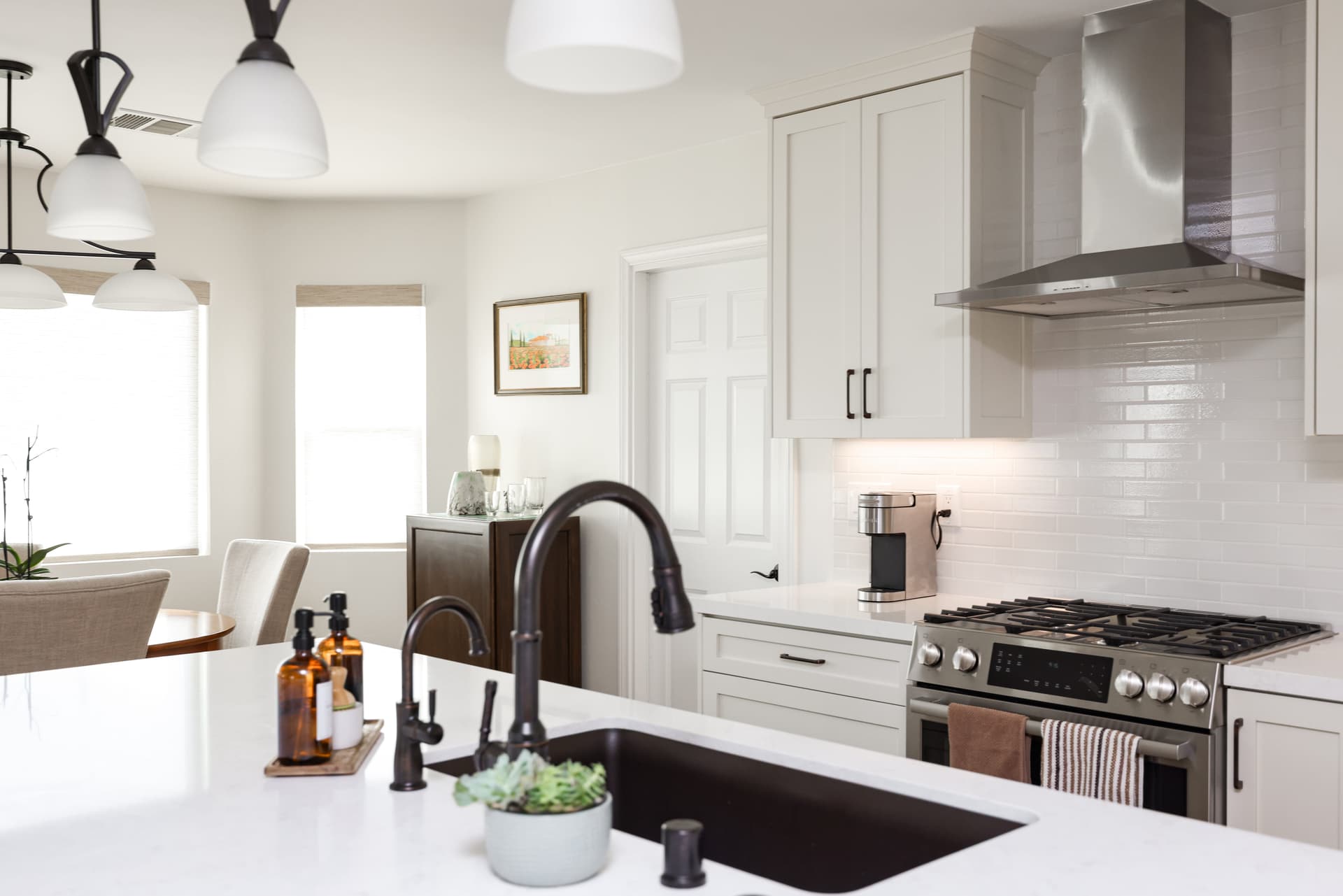
Real remodel examples highlight how thoughtful design decisions transform outdated kitchens into functional showpieces. In many projects, cramped layouts were opened up by removing non-load-bearing walls, creating brighter and more connected living spaces. Replacing dark cabinetry with lighter finishes often makes rooms feel larger and more welcoming.
Another common transformation involves upgrading old laminate countertops to durable quartz surfaces, instantly elevating both appearance and usability. Improved lighting layouts frequently change the atmosphere from dim and confined to open and inviting.
These real-world examples demonstrate that careful planning, cohesive design choices, and quality craftsmanship can completely redefine a kitchen’s comfort and value.
Crafting your dream kitchen through remodeling is a blend of vision, planning, and smart decision-making. From defining your design style to selecting durable materials and managing the renovation process, every step contributes to the final outcome. Thoughtful budgeting and sustainable choices ensure the space not only looks beautiful but also performs well over time.
How long does a kitchen remodel usually take?
Most kitchen remodels take 6 to 12 weeks of construction time, depending on layout changes, material availability, and permit requirements.
What is the most important step in designing a dream kitchen?
Starting with a clear vision and functional layout planning is essential. A strong design foundation prevents costly changes later.
How much should I budget for a kitchen remodel?
Homeowners typically invest 10 to 15 percent of their home’s value in a kitchen remodel, depending on scope and material selection.